Hangover IV therapy has become increasingly popular in recent years as a quick and effective method to combat the unpleasant symptoms that follow excessive alcohol consumption. Whether it’s a pounding headache, nausea, fatigue, or dry mouth, hangover IV therapy targets the root cause of these symptoms—dehydration and nutrient imbalance.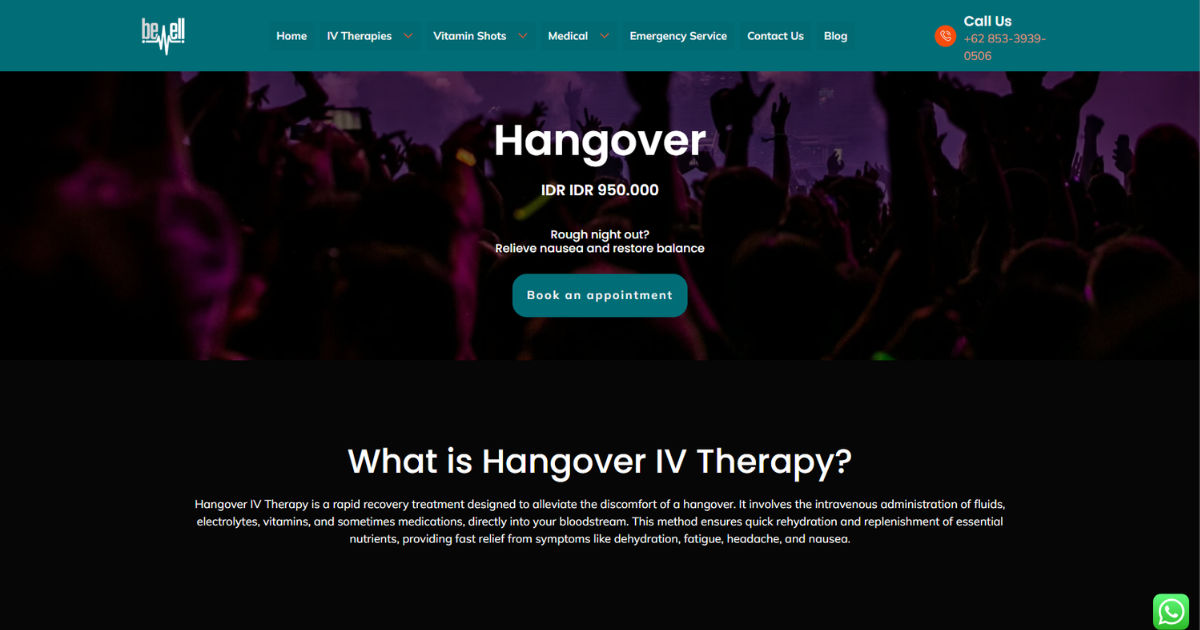
Unlike traditional methods such as drinking water or electrolyte drinks, hangover IV therapy delivers fluids and essential nutrients directly into the bloodstream, ensuring faster absorption and immediate relief.
At its core, hangover IV therapy works by restoring hydration levels, replenishing electrolytes, and providing vital vitamins and minerals.
This process not only helps the body recover quickly but also alleviates symptoms such as dizziness, brain fog, and lethargy. For anyone who has experienced a severe hangover, this therapy offers a practical solution that can accelerate recovery and make daily functioning possible.
In this guide, we will explore in detail how hangover IV therapy restores hydration, the science behind it, the types of fluids and nutrients involved, and how it compares to other methods of hydration. By the end, you will understand why this therapy has become a preferred option for many seeking immediate relief after heavy drinking.
What Causes Dehydration During a Hangover
When alcohol is consumed, it acts as a diuretic, increasing urine production and causing the body to lose fluids rapidly. This fluid loss is a primary reason why dehydration is so common after a night of drinking. Dehydration can lead to headaches, dry mouth, fatigue, and even lightheadedness.
Alcohol also disrupts the balance of electrolytes—minerals like sodium, potassium, and magnesium that are crucial for proper body function. These electrolytes regulate nerve function, muscle contraction, and hydration at the cellular level. When electrolytes are depleted due to alcohol consumption, the body struggles to maintain fluid balance, exacerbating hangover symptoms.
Traditional remedies like drinking water, sports drinks, or caffeinated beverages can help, but they are often slow to act because fluids must pass through the digestive system before entering the bloodstream. This is where hangover IV therapy proves highly effective—it bypasses the digestive system entirely and delivers fluids directly into the bloodstream for faster hydration.
How Hangover IV Therapy Works
Hangover IV therapy involves the intravenous administration of a carefully balanced solution containing fluids, electrolytes, and vitamins. The process begins with a healthcare professional inserting a small catheter into a vein, usually in the arm. Through this catheter, the IV solution is infused directly into the bloodstream over a period of 30 to 60 minutes, depending on the specific treatment plan.
The key components of hangover IV therapy include:
- Saline or Lactated Ringer’s Solution: These are the primary fluids used to restore hydration quickly. They mimic the body’s natural fluid composition and help replenish lost water.
- Electrolytes: Sodium, potassium, magnesium, and calcium are added to restore electrolyte balance, which is often disrupted after alcohol consumption.
- Vitamins: B-complex vitamins and vitamin C are commonly included to support energy metabolism, detoxification, and immune function.
- Amino Acids and Antioxidants: Some therapies include amino acids such as taurine or antioxidants like glutathione to support liver function and reduce oxidative stress caused by alcohol.
Once infused, these components work together to rehydrate the body at the cellular level, restore electrolyte balance, and provide essential nutrients that help the liver metabolize alcohol byproducts more efficiently.
Why IV Hydration is Faster Than Oral Rehydration
One of the most significant advantages of hangover IV therapy is the speed at which it restores hydration. When you drink water or sports drinks, fluids must pass through the stomach and intestines before entering the bloodstream. This process can take hours and is sometimes limited by nausea or vomiting, which are common hangover symptoms.
In contrast, IV therapy delivers fluids directly into the bloodstream. This allows the body to absorb 100% of the fluids and nutrients almost immediately. The result is rapid relief from dehydration, a decrease in headache severity, reduced fatigue, and improved mental clarity.
Moreover, IV therapy can be precisely tailored to an individual’s needs. The concentration of electrolytes, vitamins, and fluids can be adjusted based on the severity of dehydration, age, weight, and overall health status. This level of customization is difficult to achieve with oral rehydration methods, making hangover IV therapy a more efficient and targeted approach.
Electrolytes and Their Role in Hydration
Electrolytes are minerals that carry an electrical charge and play a critical role in maintaining fluid balance, nerve function, and muscle contractions. When you consume alcohol, your body loses electrolytes through increased urination, which can worsen hangover symptoms.
- Sodium: Helps regulate fluid balance and blood pressure.
- Potassium: Supports proper nerve and muscle function and helps maintain cellular hydration.
- Magnesium: Plays a role in energy production, muscle relaxation, and nerve transmission.
- Calcium: Essential for muscle contractions and overall cellular function.
Hangover IV therapy replenishes these electrolytes directly into the bloodstream, allowing the body to restore proper cellular function and hydration. This targeted approach ensures that electrolyte levels return to normal more quickly than oral hydration alone.
The Role of Vitamins in Hangover Recovery
Vitamins play a vital role in helping the body recover from the effects of alcohol. B-complex vitamins, particularly B1 (thiamine), B6 (pyridoxine), and B12 (cobalamin), are often depleted during alcohol metabolism. These vitamins are essential for energy production, brain function, and red blood cell formation.
Vitamin C, a powerful antioxidant, helps neutralize free radicals produced by alcohol metabolism. Including these vitamins in hangover IV therapy supports cellular repair, boosts energy levels, and strengthens the immune system, which may be temporarily weakened after heavy drinking.
Amino Acids and Antioxidants in IV Therapy
Some advanced hangover IV therapy solutions also include amino acids and antioxidants. Amino acids such as taurine can help reduce liver stress and support detoxification. Antioxidants like glutathione help neutralize harmful free radicals and protect the liver from oxidative damage caused by alcohol metabolism.
By combining hydration with nutrient replenishment, hangover IV therapy addresses not only the symptoms but also some underlying causes of hangover discomfort. This holistic approach helps individuals recover faster and with greater efficiency.
The Process of Receiving Hangover IV Therapy
The process of receiving hangover IV therapy is relatively straightforward. A licensed healthcare professional will:
- Conduct a brief medical assessment to ensure the therapy is safe for the individual.
- Insert a small IV catheter into a vein, usually in the arm or hand.
- Administer the IV fluids, electrolytes, vitamins, and other nutrients over 30 to 60 minutes.
- Monitor the patient for any adverse reactions during the infusion.
Most patients report feeling improvements within 15 to 30 minutes, including increased energy, reduced headache, and relief from nausea.
Benefits of Hangover IV Therapy
Hangover IV therapy offers several advantages compared to traditional remedies:
- Rapid Hydration: Delivers fluids directly into the bloodstream for immediate rehydration.
- Electrolyte Balance: Restores lost minerals that are critical for nerve and muscle function.
- Vitamin Replenishment: Provides essential vitamins that may be depleted by alcohol consumption.
- Reduced Symptoms: Helps alleviate headaches, fatigue, dizziness, and nausea more quickly.
- Customized Treatment: Can be tailored to an individual’s specific needs for optimal recovery.
Potential Risks and Considerations
While hangover IV therapy is generally safe for most individuals, there are some considerations to keep in mind:
- Infection Risk: Any IV procedure carries a small risk of infection at the injection site.
- Allergic Reactions: Some patients may react to certain components of the IV solution.
- Overhydration: Administering excessive fluids can strain the heart or kidneys in rare cases.
- Cost: Hangover IV therapy can be more expensive than traditional hydration methods.
It’s important to consult a healthcare professional before receiving IV therapy, especially for individuals with pre-existing medical conditions.
Comparing Hangover IV Therapy with Oral Rehydration
Oral hydration methods, such as drinking water, sports drinks, or coconut water, are effective for mild dehydration but are slower in delivering results. Hangover IV therapy, by bypassing the digestive system, provides immediate hydration and nutrient replenishment.
While oral methods rely on the body to absorb fluids gradually, IV therapy ensures 100% absorption, making it especially useful for severe hangovers or situations where rapid recovery is needed.
Who Can Benefit from Hangover IV Therapy
Hangover IV therapy is suitable for anyone experiencing moderate to severe hangover symptoms. This includes:
- Individuals who need to recover quickly for work or social obligations.
- People with severe dehydration or electrolyte imbalance.
- Those who struggle to keep fluids down due to nausea or vomiting.
- Anyone seeking a more efficient and targeted recovery method than oral rehydration.
However, it is not recommended as a substitute for responsible drinking or as a long-term solution for alcohol abuse.
Conclusion
Hangover IV therapy is a modern and effective solution for restoring hydration and alleviating hangover symptoms. By delivering fluids, electrolytes, vitamins, and other essential nutrients directly into the bloodstream, this therapy bypasses the limitations of oral rehydration and provides rapid relief.
The science behind hangover IV therapy is straightforward: alcohol dehydrates the body and disrupts electrolyte balance, leading to the common symptoms of a hangover. IV therapy addresses these issues directly, replenishing lost fluids and nutrients, supporting liver function, and boosting energy levels.
For individuals seeking fast and effective recovery after heavy drinking, hangover IV therapy offers a reliable option. It is particularly beneficial for those who experience severe dehydration, electrolyte imbalance, or difficulty consuming fluids orally. While it may not replace the need for responsible drinking or general self-care, it represents a valuable tool for immediate relief and enhanced hydration.
With proper administration and professional oversight, hangover IV therapy is both safe and efficient, offering a practical approach to a problem that has plagued people for centuries. By understanding the mechanisms behind this therapy, individuals can make informed choices about how to restore hydration, recover faster, and alleviate the unpleasant effects of alcohol consumption.