Why Is Slot Gacor Not The Same As Normal Slot Machines

On the planet associated with on the internet casinos, the word “ visa4d slot gacor” is becoming ever more popular amongst gamers searching for much more regular as well as satisfying is victorious. Whilst normal position games happen to be enjoyable as well as possibly lucrative, position gacor provides a unique encounter which models this aside. Knowing these types of variations might help gamers make smarter options as well as improve their own likelihood of the fulfilling video gaming program.

Greater Rate of recurrence associated with Is victorious

The primary function which makes the position gacor various is actually it’s greater rate of recurrence associated with is victorious. “Gacor” is definitely an Indonesian phrase which means “easy in order to win” or even “frequently having to pay. ” These types of slot machines tend to be thought to strike successful combos more regularly compared to normal slot machines. Whilst absolutely no position may assure the earn because of arbitrary quantity era (RNG), gamers frequently statement which position gacor video games supply scaled-down is victorious regularly, which will keep game play interesting as well as satisfying with time.

Optimized Payment Designs

Position gacor video games in many cases are related to optimized payment designs. These people are made to give a much better stability in between normal little is victorious as well as periodic larger affiliate payouts. This particular framework enables gamers to see regular is victorious without having using up their own bank roll prematurely. Normal slot machines, by comparison, might have much more inconsistent affiliate payouts, along with lengthier dried out spells in between successful re-writes.

Advantageous Volatility

Volatility is really a crucial element in position style. Position gacor video games generally function reduced in order to moderate volatility, which means these people shell out scaled-down awards more often instead of providing uncommon large jackpots. This particular can make all of them well suited for gamers looking for constant outcomes as well as lengthier perform periods, instead of normal high-volatility slot machines, which might provide substantial is victorious however need persistence as well as bigger bankrolls.

Improved Reward Functions

An additional element which models position gacor aside is actually improved reward functions. Numerous position gacor game titles consist of regular free of charge re-writes, multipliers, as well as interactive mini-games which bring about frequently throughout game play. These types of functions boost the general payment possible as well as help to make the overall game much more thrilling. Normal slot machines might have reward models, however they often bring about much less often, decreasing the likelihood of scaled-down, constant is victorious.

Participant Mindset as well as Wedding

Position gacor video games will also be fashioned with participant mindset in your mind. Regular is victorious supply constant good suggestions, maintaining gamers involved as well as inspired. For this reason position gacor video games really feel much more satisfying as well as fulfilling compared to normal slot machines, even though the entire payment with time is comparable. The knowledge associated with constant is victorious could make game play more fun as well as decrease aggravation throughout dried out spells.

Recognition Amongst Skilled Gamers

Skilled position gamers frequently look for position gacor video games for their foreseeable incentive designs. Through selecting these types of video games, gamers may handle their own bank roll better and revel in lengthier periods with no tension associated with lengthy dropping blotches. Normal slot machines may be lucrative, however they need much more good fortune as well as persistence, producing position gacor the favored option with regard to constant outcomes.

How you can Determine the Position Gacor

Whilst there isn’t any recognized accreditation with regard to position gacor, gamers generally search for indications for example:

Regular reward activations as well as free of charge re-writes

Video games along with higher RTP (Return in order to Player) rates

Reduced in order to moderate volatility slot machines

Well-liked game titles suggested through skilled gamers or even towns

These types of elements improve the probability of a far more satisfying video gaming program when compared with regular slot machines.

Summary

To sum up, position gacor varies through normal slot machines within it’s greater rate of recurrence associated with is victorious, advantageous payment designs, reduced in order to moderate volatility, as well as improved reward functions. These types of components help to make game play much more constant, interesting, as well as pleasant with regard to gamers looking for regular benefits. Whilst normal slot machines stay well-liked for his or her possibility of substantial jackpots, position gacor offers created a distinct segment amongst gamers that prioritize constant is victorious, lengthier play, as well as fulfilling encounters. Deciding on the best position gacor online game may change your web video gaming periods right into a much more satisfying as well as pleasant experience.

Continue Reading

Dark Patterns in Online Gambling

The conventional narrative on gambling harm focuses on player psychology and addiction. A more insidious, and less examined, threat lies in the deliberate, user-hostile design of the platforms themselves. This article investigates the engineered mechanics—dark patterns—that systematically exploit cognitive biases to induce continuous, dangerous play, moving beyond individual responsibility to expose a systemic architecture of manipulation.

The Architecture of Exploitation: Beyond Random Chance

Modern online hit club platforms are not passive venues; they are active behavioral modification systems. Using vast datasets from player tracking, A/B testing, and real-time analytics, operators deploy sophisticated interfaces designed to override self-control. The 2024 Global Gambling Technology Audit revealed that 87% of major platforms utilize at least five identified dark patterns as core features, not mere UI flaws. This represents a fundamental shift from offering a game of chance to engineering a cycle of perpetual engagement.

These designs target specific psychological vulnerabilities. Losses disguised as wins (LDWs), where a payout is less than the original bet but accompanied by celebratory audiovisual feedback, directly hijack the brain’s reward pathways. A 2024 neuroscientific study found that LDWs elicit a dopamine response 72% as strong as an actual win, conditioning players to perceive loss as success. This technical manipulation creates a dangerous dissociation from financial reality, making the player’s own neurology an adversary.

Quantifying the Manipulation: Key 2024 Data Points

Recent industry data exposes the scale of this engineered harm. The UK Gambling Commission’s Q2 2024 report showed a 210% year-on-year increase in player complaints specifically related to “deceptive interface design,” highlighting growing user awareness. Furthermore, an independent audit of 50 casino apps found that the average time to locate account closure procedures was 4 minutes and 32 seconds, while deposit functions were accessible in under 8 seconds—a deliberate friction asymmetry. Perhaps most tellingly, platforms using “spin acceleration” features (bypassing game animations for a fee) saw a 45% increase in average bet size among users, proving that speed directly correlates with recklessness.

  • Personalized Nudge Analytics: Algorithms identify moment-by-moment player emotion (via bet speed and pattern) to deliver targeted “encouragement” pop-ups when hesitation is detected.
  • Illusory Progress & Sunk Cost Fallacies: Fake progress bars for “bonus unlocks” or “loyalty tiers” that never materialize into meaningful value, leveraging the human tendency to continue investing to justify past investments.
  • Forced Decision Fatigue: Bombarding players with rapid-fire, low-stakes “bonus buy” options or game choices during play to degrade higher-order cognitive decision-making over time.
  • Obfuscated Financial Reality: The use of “credits” instead of currency, and the separation of deposit, bonus, and winnings into multiple, confusing balances, creating a psychological distance from real money.

Case Study 1: The “Session Saver” Paradox

Platform: “NeoSpin Casino.” Initial Problem: Players were cashing out small wins, protecting profits but reducing platform revenue. The platform identified a critical drop-off point: when a player’s balance returned to their initial deposit amount. The Intervention: A feature dubbed “Session Saver,” marketed as a player-protection tool. Methodology: Upon a player attempting to cash out, if their balance was within 5% of their starting amount, an overlay would appear: “Enable Session Saver? We’ll lock 80% of your current balance and let you play with the rest! Your locked funds are safe.” The interface heavily highlighted the “lock” and “safe” elements. Quantified Outcome: Cash-out rates at the identified threshold plummeted by 68%. However, 92% of players who used Session Saver subsequently lost the entire “play” portion and then unlocked the “safe” funds to continue, resulting in a net 41% increase in total handle per session. The feature weaponized loss aversion and the illusion of control, framing continued gambling as a responsible act of capital preservation.

Case Study 2: Algorithmic Stake Suggestion Escalation

Platform: “AceRace Sportsbook.” Initial Problem: Bettors, particularly on live in-play markets, would often set and adhere to personal staking limits. The Intervention: A dynamic “Suggested Stake” button, positioned directly adjacent to the custom stake input field, powered by a real-time algorithm. Methodology: The algorithm analyzed a user’s bet history

Continue Reading

What Documents Are Needed for Medical Billing for Physical Therapy?

Medical Billing for Physical Therapy plays a critical role in helping clinics receive timely reimbursements while maintaining financial stability. Every denied claim means delayed payments, additional administrative work, and unnecessary stress for healthcare providers.

Whether you operate a small private practice or a large rehabilitation center, improving Medical Billing for Physical Therapy processes can significantly reduce claim denials, improve cash flow, and enhance patient satisfaction.

Many denials happen because of avoidable mistakes such as inaccurate coding, missing documentation, incorrect patient information, or failure to verify insurance eligibility. Fortunately, these issues can be minimized by following proven billing strategies and maintaining compliance with payer requirements.

This comprehensive guide explains how healthcare providers can improve billing accuracy, reduce denials, and build a more efficient revenue cycle through better Medical Billing for Physical Therapy practices.


Medical Billing for Physical Therapy

Medical billing for physical therapy involves submitting claims to insurance companies for services provided by licensed physical therapists. The process includes documenting patient visits, assigning correct billing codes, verifying insurance coverage, submitting claims, tracking payments, and appealing denied claims when necessary.

Unlike general medical billing, physical therapy billing requires specialized knowledge because therapy services often involve:

  • Timed treatment codes
  • Functional documentation
  • Medical necessity requirements
  • Therapy modifiers
  • Visit limitations
  • Prior authorization rules

Because insurers closely review therapy claims, even minor errors can result in denials.


Why Claim Denials Matter

Claim denials affect much more than revenue.

When a claim is denied, clinics spend additional time correcting mistakes, resubmitting claims, communicating with insurers, and following up on payments. This administrative burden reduces productivity and increases operational costs.

Common consequences include:

  • Delayed reimbursement
  • Increased accounts receivable
  • Higher administrative expenses
  • Reduced profitability
  • Poor patient experience
  • Staff frustration

Reducing denials allows providers to focus more on patient care rather than paperwork.


Common Reasons Claims Are Denied

Understanding why claims are denied is the first step toward preventing them.

Incorrect Patient Information

Simple mistakes such as misspelled names, incorrect insurance IDs, or outdated addresses frequently cause automatic denials.

Always verify:

  • Patient name
  • Date of birth
  • Insurance policy number
  • Employer information
  • Primary and secondary insurance

Accurate registration is essential for successful Medical Billing for Physical Therapy.


Missing Insurance Verification

Many practices submit claims without confirming active insurance coverage.

Insurance verification should include:

  • Coverage dates
  • Therapy benefits
  • Deductibles
  • Copays
  • Coinsurance
  • Visit limits
  • Authorization requirements

Verifying benefits before treatment significantly reduces denials.


Lack of Prior Authorization

Many insurance plans require authorization before therapy begins.

Failure to obtain approval often leads to claim rejection.

Staff should verify:

  • Authorization requirements
  • Number of approved visits
  • Expiration dates
  • Approved diagnosis codes

Incomplete Documentation

Insurance companies expect detailed clinical documentation supporting every billed service.

Missing documentation often includes:

  • Initial evaluations
  • Progress notes
  • Treatment goals
  • Functional assessments
  • Physician referrals
  • Daily treatment records

Good documentation strengthens Medical Billing for Physical Therapy and supports medical necessity.


Incorrect CPT Codes

Using the wrong procedure code is one of the most common billing errors.

Examples include:

  • Incorrect therapeutic exercise codes
  • Wrong manual therapy codes
  • Missing evaluation codes
  • Untimed versus timed code confusion

Billing staff must stay updated on annual coding changes.


Modifier Errors

Therapy modifiers communicate important billing information.

Incorrect or missing modifiers frequently result in denials.

Examples include:

  • GP modifier
  • KX modifier
  • 59 modifier
  • CQ modifier
  • CO modifier

Proper modifier usage improves claim acceptance.


Medical Necessity Issues

Insurance companies only reimburse medically necessary services.

Documentation should clearly explain:

  • Functional limitations
  • Treatment goals
  • Progress toward recovery
  • Clinical justification

Without proper evidence, insurers may deny payment.


Importance of Accurate Documentation

Documentation serves as the foundation of successful billing.

Every patient encounter should answer these questions:

  • Why was treatment necessary?
  • What services were provided?
  • How long did treatment last?
  • How did the patient respond?
  • What progress was achieved?

Strong documentation supports every claim submitted through Medical Billing for Physical Therapy.


Verify Insurance Before Every Visit

Insurance plans frequently change.

Verifying benefits only during the first visit is not enough.

Regular verification helps identify:

  • Policy changes
  • Coverage expiration
  • Authorization updates
  • Remaining therapy visits
  • Benefit limitations

This proactive approach prevents unexpected denials.


Train Staff Regularly

Healthcare billing regulations evolve every year.

Regular education helps employees understand:

  • New CPT codes
  • ICD-10 updates
  • Insurance policies
  • Medicare guidelines
  • Documentation standards
  • Compliance requirements

Well-trained staff produce fewer billing errors.


Use Electronic Claim Scrubbing

Modern billing software identifies mistakes before claims reach insurers.

Claim scrubbing tools detect:

  • Missing modifiers
  • Invalid diagnosis codes
  • Duplicate claims
  • Coding inconsistencies
  • Patient eligibility issues

Automated systems significantly improve Medical Billing for Physical Therapy accuracy.


Improve Coding Accuracy

Coding directly impacts reimbursement.

Best practices include:

Use Updated CPT Codes

Always use current procedural terminology codes approved for the billing year.


Match Diagnosis Codes

Diagnosis codes should support every treatment provided.

The diagnosis must justify medical necessity.


Apply Proper Modifiers

Correct modifier selection prevents unnecessary denials.


Follow Timed Code Rules

Physical therapy often uses timed billing.

Accurate time documentation ensures compliance with payer policies.


Strengthen Communication Between Therapists and Billing Staff

Billing teams depend on therapists for accurate clinical information.

Effective communication helps ensure:

  • Complete documentation
  • Accurate coding
  • Faster corrections
  • Better compliance

Regular meetings between clinical and billing teams improve revenue cycle performance.


Monitor Denial Trends

Every denial provides valuable information.

Track:

  • Most common denial reasons
  • Insurance-specific issues
  • Coding mistakes
  • Authorization failures
  • Documentation gaps

Analyzing trends helps improve Medical Billing for Physical Therapy over time.


Conduct Internal Audits

Routine audits identify weaknesses before insurers do.

Audit areas include:

  • Documentation quality
  • Coding accuracy
  • Modifier usage
  • Claim submission timing
  • Compliance standards

Internal reviews reduce future denials.


Submit Claims Quickly

Delayed claims may exceed payer filing deadlines.

Best practices include:

  • Daily claim submission
  • Prompt documentation completion
  • Regular payment tracking
  • Immediate correction of rejected claims

Timely filing protects revenue.


Stay Current with Payer Policies

Each insurance company has unique billing rules.

Practices should monitor:

  • Policy updates
  • Coding requirements
  • Documentation expectations
  • Authorization changes
  • Coverage modifications

Ignoring policy updates increases denial rates.


Focus on Medical Necessity

Medical necessity remains one of the most reviewed aspects of therapy claims.

Documentation should clearly demonstrate:

  • Functional impairment
  • Skilled intervention
  • Measurable improvement
  • Ongoing need for therapy

This strengthens Medical Billing for Physical Therapy and supports reimbursement.


Appeal Denied Claims Effectively

Not every denial is final.

Successful appeals include:

  • Corrected claim forms
  • Supporting documentation
  • Physician notes
  • Progress reports
  • Medical necessity evidence

A structured appeal process recovers lost revenue.


Maintain Compliance

Compliance reduces financial risk.

Key areas include:

  • HIPAA privacy
  • Medicare guidelines
  • Accurate coding
  • Documentation standards
  • Fraud prevention

Compliance also protects clinic reputation.


Benefits of Outsourcing Medical Billing

Some practices choose professional billing companies.

Advantages include:

Experienced Specialists

Professional billers understand payer requirements and coding updates.

Faster Claim Processing

Experienced teams submit cleaner claims with fewer errors.

Lower Denial Rates

Specialists identify problems before submission.

Better Revenue Collection

Professional billing often improves reimbursement rates.

Reduced Administrative Burden

Clinic staff can focus more on patient care.


Technology Improves Billing Accuracy

Modern billing software supports better claim management.

Useful features include:

  • Electronic health records integration
  • Automated coding suggestions
  • Insurance verification
  • Eligibility checking
  • Electronic claim submission
  • Payment tracking
  • Denial reporting

Technology strengthens Medical Billing for Physical Therapy by reducing manual errors.


Best Practices for Reducing Denials

Successful practices follow consistent billing procedures.

Verify Patient Eligibility

Confirm insurance before treatment begins.

Obtain Authorization

Never start therapy without required approvals.

Document Thoroughly

Support every billed service.

Code Correctly

Use updated diagnosis and procedure codes.

Submit Clean Claims

Review claims before transmission.

Monitor Denials

Identify recurring issues.

Appeal Quickly

Respond promptly to insurer requests.

Educate Staff

Continuous learning improves billing quality.


Role of Revenue Cycle Management

Revenue cycle management connects every stage of patient billing.

It includes:

  • Patient scheduling
  • Insurance verification
  • Documentation
  • Coding
  • Claim submission
  • Payment posting
  • Appeals
  • Collections

Strong revenue cycle management complements Medical Billing for Physical Therapy by reducing billing delays and improving financial performance.


Documentation Tips That Prevent Denials

Therapists should always include:

  • Patient complaints
  • Functional deficits
  • Objective measurements
  • Treatment techniques
  • Treatment duration
  • Patient response
  • Progress toward goals
  • Updated care plans

Complete records support successful reimbursement.


Importance of Regular Billing Reviews

Monthly billing reviews help identify:

  • Outstanding claims
  • Slow-paying insurers
  • Coding errors
  • Documentation deficiencies
  • High denial rates

Continuous improvement creates long-term financial success.


Measuring Billing Performance

Practices should monitor important performance indicators such as:

First-Pass Acceptance Rate

Higher acceptance rates indicate cleaner claims.

Denial Rate

Lower denial percentages demonstrate efficient billing.

Days in Accounts Receivable

Shorter collection periods improve cash flow.

Net Collection Rate

Measures overall reimbursement effectiveness.

Claim Turnaround Time

Faster processing increases financial stability.


Future Trends in Physical Therapy Billing

Healthcare billing continues evolving.

Emerging trends include:

  • Artificial intelligence for coding
  • Automated eligibility verification
  • Predictive denial management
  • Cloud-based billing systems
  • Advanced analytics
  • Electronic prior authorization
  • Integrated documentation platforms

Practices adopting these innovations can improve Medical Billing for Physical Therapy while reducing administrative workload.


Frequently Asked Questions

Why are physical therapy claims denied?

Most denials occur because of incorrect coding, missing documentation, insurance eligibility problems, authorization issues, or modifier errors.

How can clinics reduce claim denials?

They can reduce denials by verifying insurance, maintaining accurate documentation, using correct codes, obtaining prior authorization, and reviewing claims before submission.

Does documentation affect reimbursement?

Yes. Complete documentation demonstrates medical necessity and supports every billed service, making reimbursement more likely.

Should physical therapy clinics outsource billing?

Outsourcing can improve efficiency for many practices, especially those struggling with coding accuracy, staffing shortages, or high denial rates.

How often should billing staff receive training?

Training should occur throughout the year whenever coding updates, payer policies, or regulatory changes are introduced.


Conclusion

Reducing claim denials requires attention to detail, consistent documentation, accurate coding, and proactive communication throughout the billing process. Clinics that invest in staff education, modern technology, insurance verification, internal audits, and ongoing compliance create a stronger foundation for financial success. Every step—from patient registration to claim submission and appeals—plays a role in improving reimbursement outcomes.

By implementing best practices and continuously monitoring billing performance, healthcare providers can significantly decrease avoidable denials while improving operational efficiency and patient satisfaction. Effective Medical Billing for Physical Therapy is more than submitting insurance claims; it is a comprehensive strategy that protects revenue, supports regulatory compliance, and ensures therapists are compensated for the high-quality care they provide. As payer requirements continue to evolve, maintaining accurate, organized, and patient-centered billing processes will remain essential for sustainable growth and long-term success.

Continue Reading

Why do businesses use short branded links?

Businesses rely on links every day. They use them in social media posts, email campaigns, digital advertisements, printed materials, presentations, text messages, QR codes, and many other marketing channels. But long and complicated URLs can be difficult to share, remember, trust, and track. This is one of the main reasons businesses turn to custom branded short links.
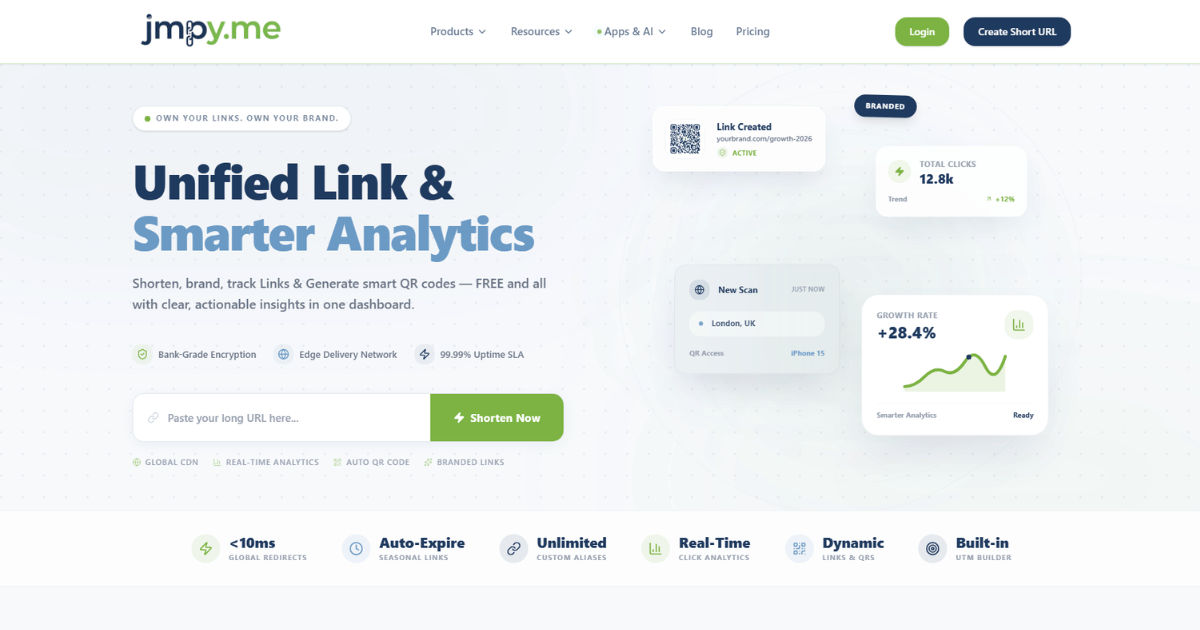
A short branded link is a shortened web address that includes a company's own brand name or a recognizable branded domain. Instead of sharing a long URL filled with confusing characters, tracking parameters, folders, and numbers, a business can create a cleaner and more memorable link.

For example, a company might have a long product URL that contains several directories and tracking parameters. A short branded version can make the same destination much easier to communicate. The visitor clicks the short link and is automatically redirected to the intended webpage.

The value of  custom branded short links goes beyond simply making URLs shorter. They can help businesses improve brand visibility, create more professional-looking campaigns, increase confidence in shared links, and measure how audiences interact with marketing content.

In a competitive digital environment, small details can influence how people respond to a business. A clean, recognizable link may look more trustworthy than an unfamiliar shortened URL. It can also reinforce the company's identity every time someone sees or clicks it.

This guide explains why businesses use short branded links, how they work, what advantages they offer, where they are most useful, and what companies should consider before adopting them.

What Are Short Branded Links?

A short branded link is a shortened URL that uses a domain associated with a business, organization, product, or campaign.

Traditional URL shorteners often provide links using a generic domain. While these links may be technically functional, the person viewing the link may not immediately know where it leads.

A branded short link solves this problem by making the brand visible within the URL itself.

For example, a business might use a short domain that reflects its company name and then create a simple path related to a campaign or product. The result is a link that is short while still providing some context.

The basic idea is simple:

A user clicks the branded short link.

The short-link system processes the request.

The visitor is redirected to the original destination URL.

The business can often collect useful analytics about the click.

The visitor reaches the intended webpage without needing to see the original long URL.

This makes custom branded short links useful for both marketing and communication.

The link itself becomes a small piece of branded content. Instead of being a meaningless technical address, it can become part of the company's communication style.

Why Long URLs Can Be a Problem for Businesses

Long URLs are not necessarily bad. They work perfectly well from a technical perspective. The problem is that they can create practical challenges when businesses need to share them with real people.

A long URL may contain several folders, product categories, database identifiers, session information, or tracking parameters. When displayed in an email, social media post, presentation, or printed advertisement, it may look messy.

Long URLs can also be difficult to type manually.

Imagine a business placing a URL on a billboard, poster, business card, or product package. If the address is extremely long, people may not remember it or type it correctly.

A short link is easier to communicate.

It is also easier to include in marketing materials where space is limited.

Another concern is appearance. A complicated URL can make a marketing message look less polished. Businesses often spend considerable time designing professional campaigns, so having an awkward-looking link can work against that presentation.

This does not mean every long URL needs to be shortened. On a website, a descriptive URL can be valuable for navigation and search visibility. However, when a business is actively sharing a link with an audience, a shorter branded version can often be more practical.

Better Brand Recognition

One of the biggest reasons businesses use custom branded short links is brand recognition.

Every time a customer sees a branded link, they have another opportunity to encounter the company's name.

This can be especially useful when links are shared repeatedly across different channels.

For example, a company may use branded links in social media posts, newsletters, advertisements, SMS campaigns, printed brochures, and event materials. Each shared link can reinforce the company's identity.

The effect may seem small when looking at a single link. However, businesses often communicate with customers thousands or millions of times.

Repeated exposure can make a brand more familiar.

A recognizable short domain can also make a link easier to associate with a specific company. When customers repeatedly see the same branded link format, they may begin to recognize it immediately.

This is particularly useful for companies that invest heavily in content marketing and digital advertising.

A More Professional Appearance

Professional presentation matters in business.

A company may have an excellent product and a well-designed marketing campaign, but small details can still influence how the campaign is perceived.

A generic shortened URL can sometimes appear disconnected from the business that is promoting it. A branded short link, by contrast, can feel like a natural extension of the company's identity.

For example, when someone receives a link from a company they already know, seeing the company's recognizable branding within the link can make the message feel more consistent.

This can be particularly important in customer-facing communication.

Businesses use links in sales presentations, partnership communications, promotional campaigns, and customer support. A professional-looking URL can help maintain a consistent image across these interactions.

Building More Trust With Audiences

Trust is one of the most important factors in online communication.

People are increasingly careful about clicking links because malicious websites and phishing attacks are common. While a branded link cannot guarantee that a destination is safe, a recognizable domain can give users more context about who is sharing the link.

A link that clearly reflects a known brand may feel more transparent than an unfamiliar shortened URL.

For businesses, this can be helpful when distributing links through email, social media, messaging platforms, and advertisements.

However, companies should remember that trust depends on more than the appearance of a link. The destination must actually be secure, relevant, and legitimate.

Businesses should also protect their branded domains carefully. If a branded short-link domain is compromised, attackers could potentially misuse it to redirect visitors to harmful websites.

Strong security practices are therefore essential.

Making Links Easier to Remember

Short links are easier to remember than long URLs.

This is particularly valuable when businesses want people to type a link manually.

Consider a company promoting a special offer at a physical event. Instead of asking attendees to remember a long web address, the company can provide a short, recognizable link.

A memorable link can also be useful in podcasts, videos, television advertisements, radio commercials, presentations, and public speaking.

When people hear a URL rather than seeing it, simplicity becomes even more important.

A short link with a meaningful word or campaign name is usually easier to remember than a long string of characters.

This is one reason custom branded short links can work well in offline marketing. They connect traditional advertising with digital destinations without requiring customers to scan a complicated address.

Improving Click-Through Rates

Businesses often use short branded links because they want people to click them.

A clean and recognizable link can make a marketing message easier to understand and may encourage more engagement.

The exact improvement depends on many factors, including the audience, platform, offer, message, and campaign design. A branded link is not a magic solution that automatically increases clicks.

However, it removes some unnecessary friction.

When a customer sees a link that is short, readable, and connected to a recognizable brand, the link may appear more approachable.

This can be particularly useful on platforms where space is limited.

Businesses can also combine a branded link with a strong call to action. Instead of presenting a complicated URL, they can direct users toward a simple action such as viewing a product, registering for an event, downloading a resource, or claiming an offer.

Easier Link Sharing

Another important advantage is convenience.

Businesses share links across many platforms and communication channels. Employees may copy links into emails, sales documents, customer messages, social media posts, and internal communications.

A shorter URL is easier to copy and paste.

It is also easier to display without creating a visually distracting block of text.

This can improve the overall readability of marketing materials.

For example, a sales representative might include several links in a customer email. If every URL is extremely long, the email can quickly become difficult to read. Short branded links can make the message cleaner and more organized.

Useful for Social Media Marketing

Social media is one of the most common environments for short links.

Businesses regularly promote blog posts, products, landing pages, registration forms, promotions, and other resources through social platforms.

Long URLs can take up unnecessary space and may look unattractive in promotional content.

Branded short links provide a cleaner alternative.

They can also help companies maintain consistency across campaigns.

For example, a business may create different branded links for different promotions while keeping the same recognizable domain structure. This can make campaign management easier while maintaining a consistent brand identity.

Businesses should still follow each platform's rules and limitations. Some social networks automatically modify or preview links, so companies should test how their branded links appear before launching a campaign.

Better Email Marketing

Email marketers often use links to guide subscribers toward specific actions.

These actions might include reading an article, purchasing a product, registering for an event, or downloading a resource.

A long URL can make an email look cluttered, especially when multiple links are included.

Branded short links can help make emails visually cleaner.

They may also be useful when a company wants to track different campaigns separately.

For example, the same destination page could be promoted through several marketing emails. Each campaign can use a distinct short link, allowing the company to understand which campaign generated clicks.

This makes custom branded short links valuable not only for presentation but also for campaign measurement.

Tracking Marketing Performance

One of the most practical reasons businesses use branded short links is analytics.

Many professional link-management systems provide tracking information.

Depending on the platform, businesses may be able to see information such as:

Number of clicks

Approximate geographic location

Referring sources

Device types

Operating systems

Click timing

Campaign performance

These insights can help businesses understand how audiences interact with shared links.

Suppose a company promotes the same offer on social media, email, and printed advertisements.

If each channel uses a different tracked short link, the business may be able to compare the results.

This provides a clearer picture of which channels generate the most engagement.

Analytics should always be interpreted carefully. A click does not necessarily mean a purchase or successful conversion. Businesses should connect link analytics with broader metrics such as leads, sales, registrations, and revenue.

Understanding Different Marketing Channels

A business rarely relies on one marketing channel.

It may use social media, email, search advertising, printed materials, influencer campaigns, events, and direct messaging.

Branded short links can help separate these channels.

A business can create unique links for individual campaigns or marketing sources.

This allows marketers to compare performance more effectively.

For example, a company might promote the same landing page through an email newsletter and a conference presentation. If both links are tracked separately, the business can identify which channel generated more visits.

This information can influence future marketing decisions.

Instead of relying entirely on assumptions, businesses can use actual engagement data to determine where audiences are responding.

Supporting Offline Advertising

Digital marketing is not the only area where short links are useful.

Businesses also use them in offline campaigns.

Printed brochures, flyers, posters, product packaging, conference booths, business cards, and billboards may all include URLs.

A short branded link is easier to display in these situations.

A long URL can be difficult to read from a distance. It can also take up valuable space in a printed design.

A short link can fit more naturally into the layout.

Businesses can also use QR codes alongside branded links. The QR code provides a convenient scanning option, while the branded URL gives users a visible alternative.

This combination can be useful for audiences with different preferences.

Creating Better Campaign Organization

Large companies often run many campaigns at the same time.

Without a structured system, links can become difficult to manage.

A branded short-link platform can help organize links according to campaigns, products, departments, or marketing channels.

This can make it easier for teams to find and update links.

Instead of searching through old documents for the original destination URL, marketers can manage links through a central system.

This becomes particularly useful when campaigns change frequently.

A company may need to redirect an old promotional link to a new page after a campaign ends. If the short link is managed centrally, the destination can potentially be updated without changing the link printed on existing materials.

This is one of the strongest practical advantages of using branded short links.

Flexible Destination Management

A business website can change over time.

Products may move to new pages. Landing pages may be redesigned. Campaigns may end. Websites may be migrated to new structures.

If a business has printed a short branded link on thousands of brochures, changing the destination can be easier than replacing all those materials.

The short link can continue to exist while the destination behind it changes.

This makes the link act as a stable doorway to changing digital content.

However, companies should manage redirects carefully. Old links should not be left unmanaged indefinitely, and businesses should monitor their destinations regularly.

Supporting QR Code Campaigns

QR codes have become common in modern marketing.

Businesses use them on menus, packaging, posters, product labels, event materials, and advertisements.

A QR code usually points to a URL.

Using a branded short link behind the QR code can make the QR code easier to manage. If the destination needs to change, the business may be able to update the redirect without reprinting the QR code.

This can be especially useful for long-running campaigns.

For example, a restaurant might use the same QR code on printed materials while changing the destination from a seasonal menu to a reservation page.

The QR code remains the same, while the destination can be managed through the short-link system.

Improving Mobile-Friendly Sharing

A large percentage of online activity takes place on mobile devices.

People often encounter links while using messaging applications, social media platforms, email, and mobile websites.

Short links can be easier to read and share on smaller screens.

They can also reduce visual clutter in mobile messages.

For businesses that communicate directly with customers through text messages or messaging applications, concise links can make the overall message more readable.

However, companies should always test their links on mobile devices before launching campaigns.

The destination page should also be mobile-friendly. A short link cannot fix a poor mobile experience after the visitor arrives.

Supporting Sales Teams

Short branded links can also be useful for sales professionals.

Sales representatives frequently send customers links to product information, presentations, demonstrations, pricing pages, and resources.

A short branded link can make these communications more convenient.

Sales teams may also use different links for different products or sales materials.

If those links are tracked, managers can gain insight into customer engagement.

For example, a salesperson may send a prospective customer a link to a product presentation. If the link system provides analytics, the salesperson may be able to see whether the resource was accessed.

This information can help guide follow-up conversations.

Businesses should be careful with analytics and privacy, however. Tracking practices must comply with applicable laws and regulations and should be transparent where required.

Helping Customer Support Teams

Customer support departments also share links frequently.

Support agents may direct customers to knowledge-base articles, account pages, troubleshooting instructions, product documentation, or service forms.

Short branded links can make these messages easier to send and understand.

They can also help companies create simple links for frequently requested resources.

Instead of asking customers to navigate through several website menus, a support representative can provide a direct link.

This can reduce friction and potentially improve the customer experience.

Making Campaigns More Consistent

Consistency is important in branding.

Companies often have guidelines covering logos, colors, fonts, language, and visual presentation.

URLs are sometimes overlooked as part of brand identity.

However, a branded short link can become another consistent element of the customer experience.

When customers repeatedly see links using a recognizable branded domain, those links can feel like a natural part of the company's communication.

This consistency can be particularly valuable for large organizations with multiple teams.

A centralized short-link strategy can help ensure that marketing, sales, customer service, and communications teams use links consistently.

Short Branded Links and Search Engine Optimization

It is important to understand that short branded links are not automatically an SEO strategy.

A business should not replace every normal website URL with a shortened URL simply because it is shorter.

For search engine optimization, descriptive website URLs can still be valuable.

Short branded links are primarily useful for sharing, tracking, branding, and campaign management.

Businesses can use both.

A website can maintain descriptive URLs for its main pages while using short branded links for marketing campaigns, social media, offline promotions, and trackable communications.

This allows each type of URL to serve its intended purpose.

The Difference Between Generic and Branded Short Links

Generic short links and branded short links perform the same basic technical function: they redirect visitors from a shorter address to another destination.

The main difference is branding.

A generic short link may use a domain that belongs to a URL-shortening service.

A branded short link uses a domain controlled or selected by the business.

This difference can affect recognition and trust.

For businesses that share links frequently, branding can make a meaningful difference.

A company investing in a long-term digital presence may prefer to build its own recognizable link identity rather than relying entirely on a generic shortening service.

When Businesses Should Use Short Branded Links

Not every business needs branded short links for every situation.

They are especially useful when a company frequently shares URLs publicly.

They can be valuable for:

Social media campaigns

Email marketing

SMS marketing

Influencer campaigns

Digital advertising

Printed advertising

Events

Trade shows

Product packaging

QR codes

Sales communications

Customer support

Podcast promotions

Video campaigns

Radio advertising

Businesses should consider where their links appear and how customers interact with them.

If a URL is only used internally and never seen by customers, branding may be less important.

If a link appears in front of thousands of potential customers, branding and analytics may become much more valuable.

Potential Disadvantages to Consider

Although custom branded short links offer many advantages, businesses should also understand their limitations.

The first concern is management.

A branded short-link system needs to be maintained. The company must ensure that links continue working and that the domain remains under its control.

Security is another important concern.

Businesses should protect accounts associated with their link-management systems. Strong passwords, multi-factor authentication, access controls, and regular monitoring are important.

There is also the risk of link rot.

If a company stops maintaining its short-link system, old links may stop working. This can create problems for printed materials and long-running campaigns.

Businesses should therefore choose reliable infrastructure and maintain proper ownership of their branded domains.

How to Choose a Branded Short-Link Strategy

Businesses should begin by identifying their goals.

Are they primarily interested in branding?

Do they need analytics?

Do they need to change destinations after links are published?

Will multiple employees manage the links?

Do they need integrations with marketing platforms?

The answers to these questions can help determine the right approach.

Companies should also consider security, reliability, analytics, user permissions, and long-term domain ownership.

A good system should not only create short links. It should support the company's broader marketing and communication needs.

Best Practices for Businesses

Businesses should follow several best practices when using branded short links.

First, choose a recognizable domain that fits the company's brand.

Second, keep links simple and readable.

Third, use meaningful words where possible.

Fourth, maintain a consistent naming system for campaigns.

Fifth, monitor links after publishing them.

Sixth, use analytics responsibly.

Seventh, protect the branded domain and associated accounts.

Eighth, test links before launching campaigns.

Ninth, make sure destination pages work properly on mobile devices.

Finally, review old links regularly.

A short link is only useful if it continues to lead visitors to the right place.

Why Businesses Use Short Branded Links: The Bigger Picture

At first glance, shortening a URL may seem like a small technical improvement.

In practice, the benefits can extend across an entire marketing operation.

A short branded link can combine several functions in one simple address.

It can represent the brand.

It can make a URL easier to share.

It can support campaign tracking.

It can simplify printed advertising.

It can work with QR codes.

It can help organize marketing campaigns.

It can provide flexibility when destinations change.

This combination explains why businesses increasingly consider custom branded short links as part of their digital communication strategy.

The real value is not simply that the link is shorter.

The value comes from making the link more recognizable, manageable, measurable, and useful.

Conclusion

Businesses use short branded links because modern marketing depends heavily on links, and the way those links are presented can affect communication, trust, branding, and measurement.

A long URL may work perfectly from a technical perspective, but it is not always convenient for customers. It can be difficult to remember, awkward to print, and visually distracting in marketing materials.

A branded short link addresses many of these practical problems.

The biggest advantage is the combination of simplicity and brand identity. Instead of sharing an unfamiliar shortened URL, a company can use a link that reflects its own identity.

This makes every shared link another opportunity for brand recognition.

The benefits become even more significant when businesses use links across multiple channels. Social media, email, SMS, printed advertising, events, packaging, sales communications, and QR codes can all benefit from shorter and more manageable URLs.

Continue Reading

Comparing Rtp Unpredictability In Frolicky Slots A 2024 Deep Dive

The current soundness in the online slot community is that higher Return-to-Player(RTP) percentages are universally superior. However, this assumption collapses when practical to the rising category of”playful” or gamified slots. In 2024, a data-driven comparison reveals that focal point solely on RTP in prankish slots is an work out in futility; the real system of measurement is volatility-adjusted engagement speed.

The Fallacy of Static RTP in Gamified Environments

Playful slots, such as Hacksaw Gaming s Chaos Crew or Nolimit City’s Mental, use dynamic multiplier factor Cascade Range and buy-in bonus rounds that in essence spay unsurprising value. According to a 2024 market psychoanalysis by Eilers & Krejcik Gaming, the average out atmospheric static RTP for these titles is 96.4, yet the actual participant succumb fluctuates by over 18 depending on involvement patterns. This substance comparison two elfish slots by their registered RTP is like comparing the top zip of two cars while ignoring whether they are on a straightaway or a winding dozens pass.

Why High RTP Can Be a Trap for Playful Mechanics

A slot like Sweet Bonanza(96.5 RTP) is often cited as a bench mark. However, when compared to Fruit Party 2(96.48 RTP), the lower volatility of the former leads to a 32 high relative frequency of”dead spins” that kill the devilish narration flow. The 2024 data from SlotTracker shows that players abandon high-RTP, low-volatility mocking slots 2.4 multiplication quicker than spiritualist-volatility ones because the”playful” element the anticipation of cascading wins is absent.

  • RTP vs. Engagement: High RTP(above 97) in implike slots often correlates with low bonus relative frequency, undermining the core”playful” loop.
  • Max Win Potential: Playful arwana855 with turn down RTP(94-95) but high max win caps(10,000x) hold back players 45 thirster on average out.
  • Session Length: Data from 2024 shows the average out sitting for a devilish slot with 96 RTP is 14 transactions; for a 94 RTP with high unpredictability, it is 22 minutes.
  • Whale Behavior: High-stakes players(wagers over 50 spin) actively seek slots with RTP below 95, as the variation creates bigger, more”playful” win moments.

Volatility as the True Comparator for Playfulness

The industry standard of using RTP as a primary feather system of measurement is out-of-date for this recess. Instead, analysts are adopting the”Playful Volatility Index”(PVI). This indicant measures how often the game produces a”surprise” a multiplier, a free spin, or a board game shop mechanic. A 2024 study by the University of Nevada’s Center for Gaming Research base that for every 1 increase in PVI, participant retentiveness for rascally slots jumps by 7.3, regardless of the RTP being 1-2 turn down.

Consider the between Money Train 3(96.1 RTP) and Dead or Alive 2(96.8 RTP). The former, with its relentless accumulator mechanics, has a PVI of 8.2; the latter, a atmospherics multiplier slot, has a PVI of 3.1. Despite the RTP difference, Money Train 3 generates 63 more repeat play Sessions. This proves that for implike slots, the emotional cadence of wins is more vital than the mathematical bring back.

How to Compare Playful Slots Effectively

To accurately equate these titles, ignore the enrolled RTP in the info screen. Instead, focalize on three key data points available from 2024 aggregators:

  • Bonus Buy Cost vs. Potential: Compare the cost to trip the incentive(e.g., 100x bet) against the utmost multiplier factor. A cheaper buy-in with higher variation creates a better roguish go through.
  • Hit Frequency of Features: Look for slots with a”feature hit” every 15-20 spins. This keeps the sportive narrative sensitive without requiring a full incentive circle.
  • Volatility Score: Use third-party tools that ply a 1
    Continue Reading