
Urine tests are among the most common diagnostic tools used in healthcare. They help detect infections, monitor kidney function, check for metabolic conditions, and support overall health assessments.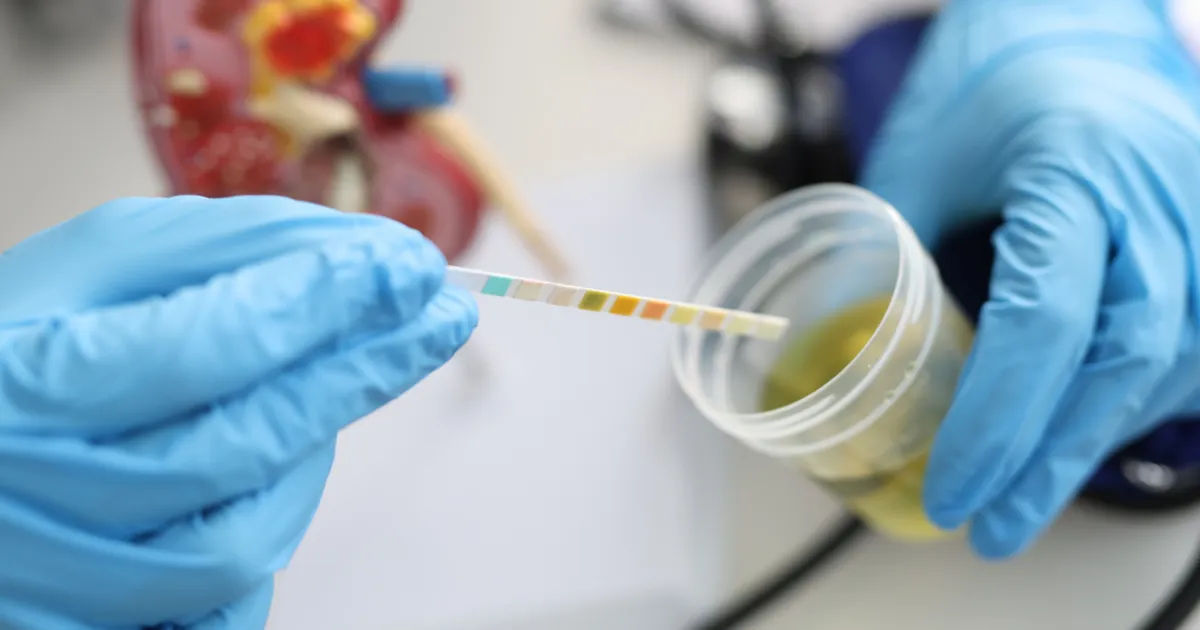
While they are generally reliable, there are situations where repeating a urine test becomes necessary, including can you freeze urine for a drug test, to confirm accuracy or track changes in health. Understanding when and why a repeat test is needed can help you avoid confusion and ensure better medical decisions.
Why Urine Tests Are Done in the First Place
A urine test (urinalysis) examines the physical, chemical, and microscopic properties of urine. Doctors use it to identify:
- Urinary tract infections (UTIs)
- Kidney disease or damage
- Diabetes or blood sugar issues
- Liver disorders
- Dehydration
- Pregnancy (in some cases)
- Presence of blood, protein, or abnormal cells
Because urine reflects what is happening in the body, even small changes can provide important clues about health.
When Should You Repeat a Urine Test?
There are several situations where repeating a urine test is medically recommended. These include unclear results, persistent symptoms, or the need for confirmation.
1. When Initial Results Are Abnormal
If your first urine test shows unusual findings—such as protein, blood, bacteria, or high sugar—your doctor may request a repeat test.
This is because:
- Temporary conditions (like dehydration or fever) can affect results
- Improper sample collection can lead to contamination
- Certain foods or medications may temporarily alter urine composition
A repeat test helps confirm whether the abnormal result is consistent or just temporary.
2. When Symptoms Continue Despite Normal Results
Sometimes, a urine test comes back normal, but symptoms remain. For example:
- Burning sensation during urination
- Frequent urge to urinate
- Lower abdominal pain
- Cloudy or foul-smelling urine
In such cases, repeating the test is important because:
- The infection may not have been present at the time of testing
- The infection may be developing but not yet detectable
- A different type of test may be required (like urine culture)
3. When the Sample Was Not Collected Properly
Sample collection plays a major role in accuracy. A test may need to be repeated if:
- The urine sample was contaminated
- The container was not sterile
- The sample was not midstream (clean-catch method not followed)
- The sample sat too long before testing
Even small errors can lead to misleading results, especially in infection testing.
4. After Treatment to Confirm Recovery
If you were treated for an infection or another urinary condition, your doctor may repeat the test to confirm that:
- The infection is fully cleared
- No bacteria or abnormal markers remain
- The treatment is working effectively
This is especially common with urinary tract infections and kidney-related conditions.
5. When Monitoring Chronic Conditions
People with long-term health conditions may need repeated urine testing. These conditions include:
- Diabetes
- Chronic kidney disease
- High blood pressure affecting kidney function
Repeat testing helps doctors track:
- Protein levels
- Glucose levels
- Kidney filtration efficiency
- Early signs of complications
This helps prevent long-term damage by catching changes early.
6. When Results Are Borderline or Unclear
Sometimes results are not clearly normal or abnormal. These “borderline” findings may require a repeat test for clarity.
Examples include:
- Slightly elevated protein levels
- Trace amounts of blood
- Mild bacterial presence without symptoms
A second test helps determine whether these findings are meaningful or temporary.
7. During Routine Health Checkups
In some cases, repeat urine testing is part of regular health monitoring, especially for:
- Annual physical exams
- Employment health screenings
- Pre-surgery evaluations
Doctors may repeat tests to ensure consistent baseline health information.
Factors That Can Affect Urine Test Accuracy
Understanding what influences urine results can help explain why repetition is sometimes necessary.
Hydration Levels
- Too much water can dilute results
- Dehydration can concentrate substances in urine
Diet and Medication
Certain foods and medicines can temporarily change urine composition, including:
- Vitamin supplements
- Antibiotics
- Diuretics
- High-protein diets
Physical Activity
Intense exercise may cause temporary protein or blood in urine.
Timing of Sample
First-morning urine is often more concentrated and reliable for testing.
How to Prepare for a Repeat Urine Test
If you are asked to repeat a urine test, proper preparation improves accuracy:
- Follow clean-catch instructions carefully
- Avoid excessive exercise before testing
- Stay normally hydrated (not excessive or restricted)
- Inform your doctor about medications or supplements
- Use a sterile container provided by the clinic
Small improvements in preparation can significantly improve test reliability.
Types of Follow-Up Urine Tests
Depending on the reason for repetition, doctors may choose different types of urine tests:
1. Routine Urinalysis
Checks general health indicators like pH, protein, and glucose.
2. Urine Culture
Used to identify specific bacteria causing infection.
3. 24-Hour Urine Test
Measures substances over a full day to assess kidney function.
4. Microscopic Examination
Looks closely at cells, crystals, and bacteria.
Each test provides a different level of detail, helping doctors refine diagnosis.
What Happens After a Repeat Test?
After the second test, results are compared with the first. Outcomes may include:
- Confirmation of a normal result
- Identification of a persistent condition
- Adjustment of treatment
- Recommendation for further testing
Doctors use repeat results to make more accurate and confident decisions.
When You Should Be Concerned
Most repeat urine tests are routine and not alarming. However, follow-up may be more important if:
- Blood is consistently present in urine
- Protein levels remain elevated
- Symptoms worsen over time
- Infections keep returning
In these cases, further investigation may be needed to rule out underlying conditions.
Conclusion
Repeating a urine test is a common and important part of medical evaluation. It is not necessarily a sign of a serious problem, but rather a way to ensure accuracy, monitor health changes, and confirm diagnoses.
Whether the first result was unclear, influenced by external factors, or part of ongoing treatment, a repeat test helps provide a clearer picture of what is happening inside the body. By understanding when and why these tests are repeated, patients can feel more informed and confident in their healthcare process.