
When homeowners start looking for ways to reduce rising energy costs, Infrared Heating UK is often one of the first solutions they come across. Many people wonder whether this modern heating technology can genuinely lower monthly bills or if it is simply another trend in home heating.
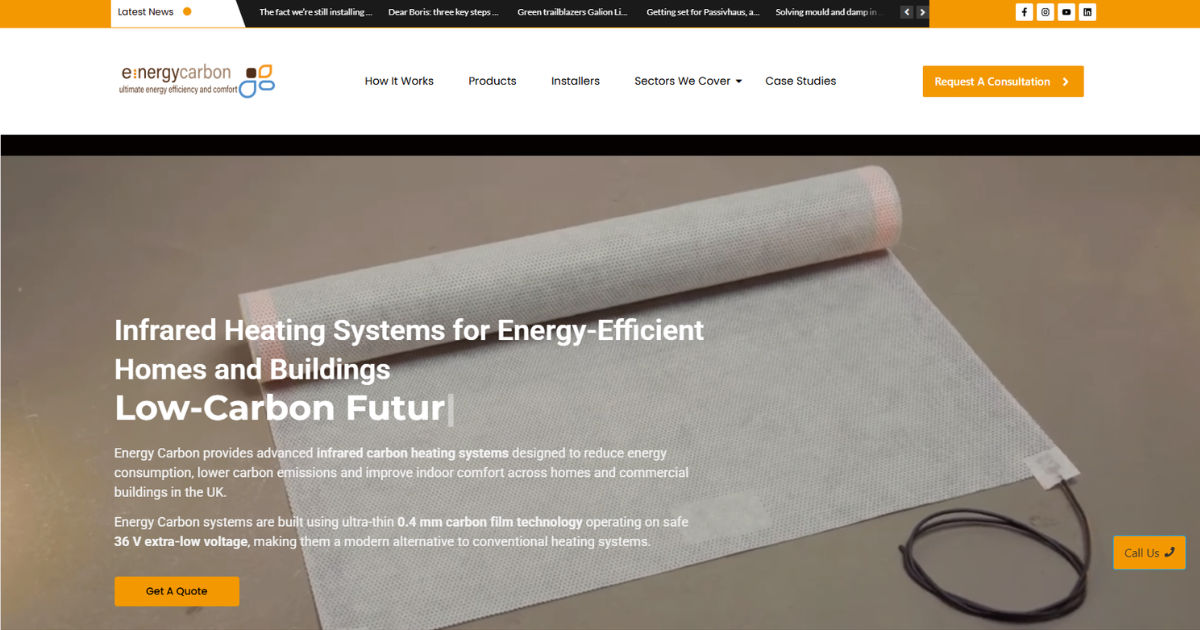
The truth is that Infrared Heating UK has the potential to reduce heating expenses in many homes, but the savings depend on factors such as insulation, room usage, heating habits, and the type of system being replaced.Unlike traditional central heating, infrared heating warms people and objects directly instead of heating the surrounding air.
This different approach changes how energy is used inside a property and can create a more comfortable living environment while reducing unnecessary energy waste. Understanding how it works and where it performs best can help homeowners decide whether it is the right investment.
This guide explains how low energy infrared heating works, how it affects electricity consumption, what influences cost savings, and whether it is truly capable of lowering household bills.
Low Energy Infrared Heating
Infrared heating works by producing infrared rays that travel through the air until they reach solid surfaces. These surfaces absorb the heat and gradually release it back into the room.
The sun provides a natural example of infrared heat. Even on a cool day, standing in direct sunlight feels warm because the rays heat your skin directly rather than warming the surrounding air.
Modern Infrared Heating UK systems use electricity to create this same form of radiant heat indoors.
Instead of constantly heating moving air, infrared panels warm:
- Walls
- Floors
- Furniture
- Ceilings
- People
- Pets
- Household objects
Once these items become warm, they continue releasing heat, helping rooms stay comfortable for longer.
Why Traditional Heating Can Increase Bills
Most UK homes rely on gas boilers connected to radiators or electric convection heaters.
These systems mainly warm the air.
The problem is that warm air naturally rises toward the ceiling while cooler air remains near the floor. Every time a window opens or someone opens a door, heated air escapes, forcing the heating system to work again.
Traditional heating can also lose energy through:
- Poor insulation
- Draughts
- High ceilings
- Empty rooms
- Continuous thermostat cycling
As heating systems repeatedly turn on and off, energy consumption increases.
This is one reason why many homeowners investigate Infrared Heating UK as an alternative.
How Infrared Heating Reduces Energy Waste
One of the biggest advantages of infrared heating is its efficiency.
Instead of heating every cubic metre of air inside a room, it focuses on warming occupied spaces and solid objects.
Several factors contribute to lower energy use.
Direct Heat Delivery
Heat reaches people almost immediately after the system starts operating.
There is no need to wait for an entire room to fill with warm air.
This means shorter heating periods in many situations.
Less Heat Escapes
Since infrared heating stores warmth in walls, furniture, and flooring, opening a door briefly does not instantly remove all the heat.
Objects remain warm even if cooler air enters.
Reduced Air Movement
Convection systems circulate warm air around a room.
Infrared systems create very little air movement.
Less moving air means:
- Less heat loss
- Less dust circulation
- More consistent comfort
Can Infrared Heating Really Lower Energy Bills?
The answer is yes—but not in every situation.
Many homeowners experience lower heating costs because infrared heating allows them to use energy more efficiently.
Savings depend on several important factors.
Property Insulation
Well-insulated homes retain infrared heat much longer.
If walls, roofs, windows, and floors prevent heat loss, rooms stay warm with less electricity.
Poor insulation limits savings regardless of heating technology.
Room Usage
One of the strengths of Infrared Heating UK is zoned heating.
Instead of warming the entire house, homeowners can heat only occupied rooms.
For example:
- Home office during work hours
- Living room in the evening
- Bedroom before bedtime
Unused rooms require little or no heating.
This targeted approach can significantly reduce electricity use.
Heating Habits
People who normally leave central heating running throughout the day may notice greater savings after switching.
Infrared systems work particularly well when heating is needed only during occupied periods.
Why Lower Wattage Does Not Mean Less Comfort
Some people assume lower power automatically means weaker heating.
That is not necessarily true.
Infrared systems feel different because they warm people directly.
A 600-watt infrared panel can often create similar comfort to much larger convection heaters under suitable conditions.
Comfort depends on:
- Panel placement
- Room size
- Ceiling height
- Insulation quality
- Heat retention
This allows many households using Infrared Heating UK to maintain comfortable temperatures while consuming less electricity.
Comparing Infrared Heating with Traditional Radiators
Traditional radiators:
- Heat surrounding air
- Lose warmth quickly
- Require longer operating times
- Create temperature differences throughout rooms
Infrared heating:
- Warms surfaces directly
- Produces even radiant warmth
- Requires less air heating
- Maintains comfort with shorter operating periods
This difference explains why many users report reduced heating costs after installation.
Does Every Home Save Money?
No heating system guarantees identical savings.
Every property is different.
Several factors influence the outcome.
Older Homes
Older buildings often lose heat through:
- Single glazing
- Poor loft insulation
- Solid walls
- Draughty doors
Infrared heating can still improve comfort, but insulation upgrades often produce even greater savings.
Modern Homes
Newer homes usually have:
- Better insulation
- Double or triple glazing
- Airtight construction
- Improved energy efficiency
These homes often achieve stronger performance with Infrared Heating UK because less heat escapes.
Smart Controls Improve Savings
Modern infrared systems frequently include smart controls.
These features allow homeowners to heat rooms only when needed.
Useful options include:
- Daily schedules
- Weekly timers
- Smartphone apps
- Wi-Fi controls
- Motion sensors
- Individual room settings
Instead of heating an entire property continuously, energy goes only where required.
Smart controls often play a major role in reducing annual heating costs.
Faster Heating Means Less Energy
Traditional central heating systems may require 30 to 60 minutes before rooms become comfortable.
Infrared panels usually provide noticeable warmth within minutes.
Because occupants feel warm sooner, heating sessions can often be shorter.
Shorter heating cycles generally mean reduced electricity consumption.
Does Infrared Heating Feel Different?
Yes.
People often describe infrared warmth as similar to standing in gentle sunshine.
The room may not have extremely warm air, yet occupants still feel comfortable because their bodies absorb radiant heat directly.
This comfortable sensation allows some homeowners to lower thermostat settings without feeling colder.
Lower settings can contribute to lower bills.
Maintenance Costs Are Also Lower
Reducing bills involves more than electricity consumption.
Maintenance matters too.
Traditional heating systems may require:
- Boiler servicing
- Pipe repairs
- Pump replacement
- Radiator bleeding
- Valve maintenance
Infrared panels have very few moving parts.
They generally require only occasional cleaning.
Lower maintenance expenses can reduce long-term ownership costs.
Where Infrared Heating Works Best
Many homes successfully install Infrared Heating UK in:
Living Rooms
Comfortable radiant warmth makes evenings more pleasant.
Bedrooms
Heating can operate shortly before bedtime without warming unused rooms all day.
Home Offices
Remote workers often need heat in just one room.
Infrared heating avoids warming the entire property unnecessarily.
Bathrooms
Special waterproof panels provide comfortable warmth while reducing condensation.
Conservatories
Large windows often make traditional heating inefficient.
Infrared heating performs well because it warms surfaces instead of constantly reheating cooled air.
Factors That Influence Running Costs
Several variables determine actual electricity usage.
Electricity Prices
Energy tariffs naturally affect operating costs.
Even efficient systems cost more to run if electricity prices increase.
Property Size
Larger homes require more heating capacity.
However, zoned heating still allows selective operation.
Occupancy Patterns
Families who spend most of the day outside often benefit from heating rooms only during evenings.
Remote workers may focus heating on a single workspace.
Panel Selection
Correct panel sizing matters.
Panels that are too small may run continuously.
Panels that are too large can increase installation costs unnecessarily.
Professional design helps maximise efficiency.
Common Misunderstandings About Infrared Heating
Myth: It Uses Too Much Electricity
Electricity powers infrared panels, but efficiency comes from how the heat is delivered.
Heating only occupied spaces often reduces overall energy use.
Myth: Rooms Stay Cold
The air temperature may be slightly lower than with convection heating, but occupants often feel equally comfortable because radiant heat warms the body directly.
Myth: It Only Works in Small Homes
Infrared heating can be installed in:
- Flats
- Houses
- Offices
- Retail shops
- Schools
- Commercial buildings
Proper planning is more important than building size.
Tips to Maximise Savings
Homeowners can improve results by following several practical steps.
Improve Insulation
Seal draughts.
Upgrade loft insulation.
Install quality windows where possible.
The less heat a building loses, the greater the benefit.
Heat Only Occupied Rooms
Avoid heating empty guest rooms or unused spaces.
Zone heating remains one of the biggest advantages of Infrared Heating UK.
Use Timers
Schedule heating around daily routines.
Automatic controls prevent unnecessary operation.
Position Panels Correctly
Correct placement ensures radiant heat reaches occupants efficiently.
Professional installation usually provides the best results.
Combine with Renewable Energy
Many homeowners pair infrared heating with solar panels.
Generating electricity during daylight hours can further reduce overall heating costs.
Is Infrared Heating Suitable for Every Household?
No single heating solution fits everyone.
Infrared heating is especially attractive for homeowners who:
- Want room-by-room control
- Prefer lower maintenance
- Have well-insulated properties
- Need fast heating
- Use only certain rooms during the day
- Want modern electric heating
However, households with poorly insulated buildings should also consider improving insulation to maximise potential savings.
Long-Term Financial Benefits
Beyond monthly bills, infrared heating can provide additional long-term value.
Potential financial advantages include:
- Lower maintenance costs
- Longer equipment lifespan
- Reduced boiler replacement expenses
- Better room-by-room control
- Improved energy efficiency
- Potential compatibility with renewable electricity
Over several years, these factors can contribute to meaningful overall savings.
Conclusion
Low energy Infrared Heating UK systems can reduce household bills when installed correctly and used in suitable properties. Rather than heating the air first, they deliver radiant warmth directly to people and surrounding surfaces, helping reduce wasted energy and improve comfort. Features such as zoned heating, smart controls, rapid warm-up times, and low maintenance make them an attractive alternative to traditional heating methods for many UK households.
The greatest savings are usually achieved in well-insulated homes where heating can be targeted only to occupied rooms. While every property's results will differ depending on insulation, layout, electricity prices, and daily routines, many homeowners find that Infrared Heating UK offers an efficient and practical way to manage heating costs without sacrificing comfort. By combining good insulation, smart heating schedules, and correctly sized panels, households can maximise efficiency and potentially enjoy lower energy bills over the long term.